Climate Control Systems That Keep Businesses Running
Commercial HVAC Services in Sauk Rapids for facilities that depend on consistent temperature and air quality
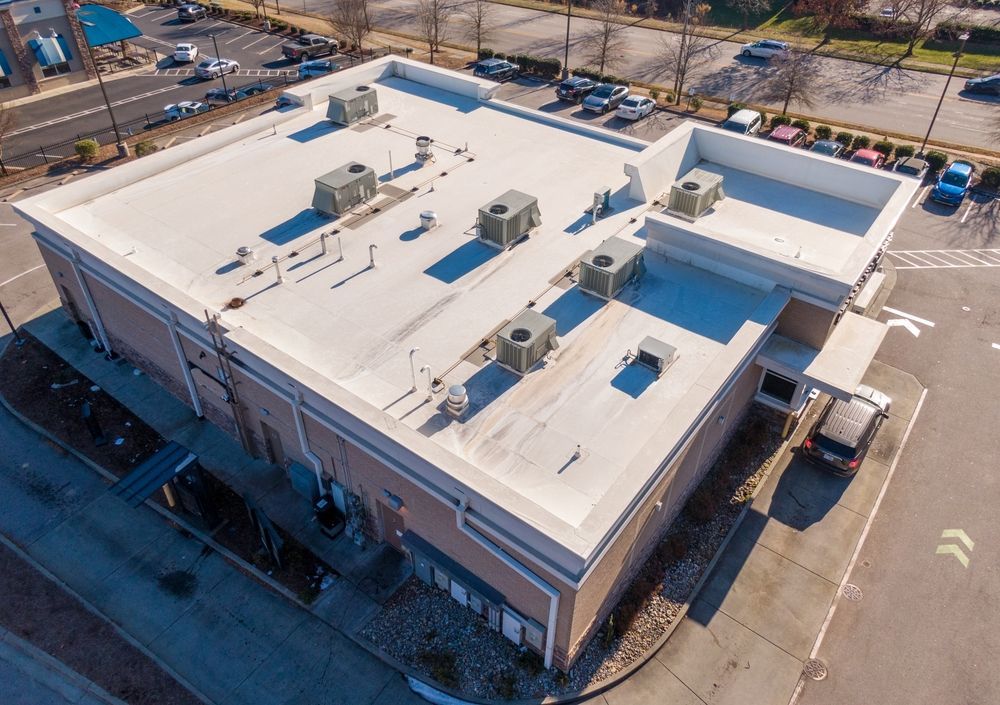
When indoor air quality drops or heating fails in a commercial building, operations slow, employees lose productivity, and customers notice uncomfortable conditions immediately. 5 Star Plumbing, Heating and Air provides commercial HVAC services in Sauk Rapids that address the demands of retail spaces, office buildings, restaurants, and industrial facilities where climate control directly affects business continuity. Minnesota winters and humid summers place constant stress on commercial systems, making preventive maintenance and rapid repair response essential for avoiding costly downtime.
Commercial HVAC work differs from residential service in scale, complexity, and consequence—a failed rooftop unit can affect dozens of employees or hundreds of customers, and multi-zone systems require diagnostic expertise that accounts for simultaneous heating and cooling demands across different building areas. Equipment replacement decisions involve evaluating energy costs against operational budgets, and local code compliance requirements for commercial installations are considerably more detailed than residential standards.
Request an on-site evaluation to review your current system performance and identify maintenance priorities.
What Proper Commercial HVAC Service Requires
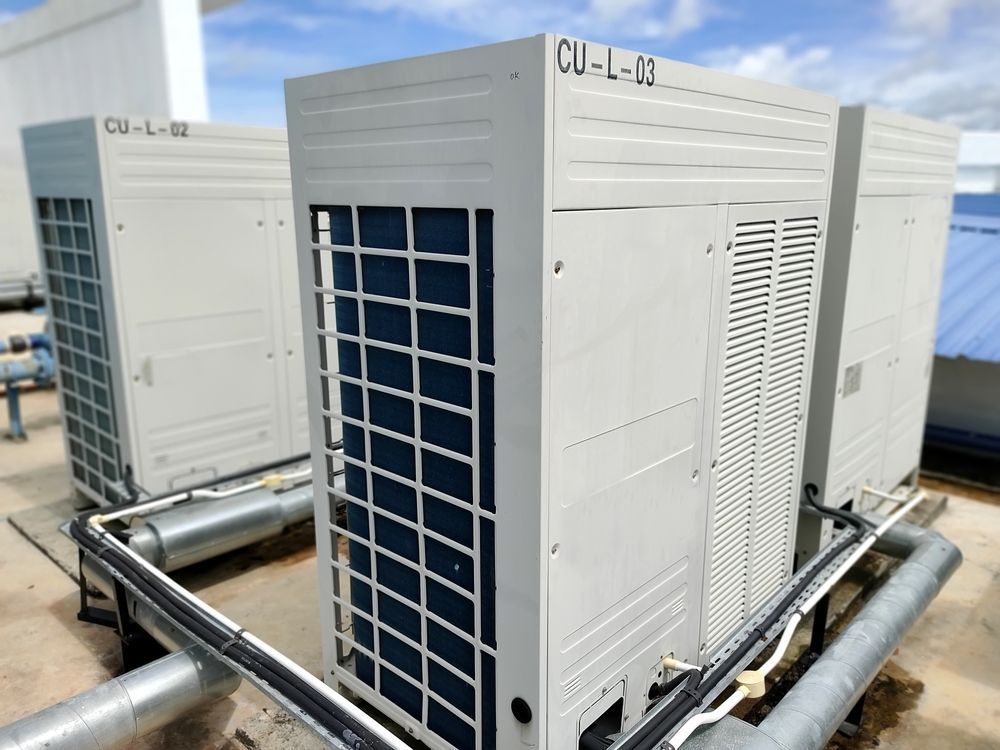
Your commercial system operates under continuous load conditions that residential units never face, cycling more frequently and handling larger volumes of air that carry dust, grease, and particulates depending on your industry. Service includes filter replacement tailored to your occupancy and air quality needs, refrigerant level checks that prevent compressor failure, and electrical connection inspections that catch potential failures before equipment goes offline during peak demand periods.
After comprehensive maintenance, you notice more consistent temperatures across all zones, lower monthly utility costs as the system operates at design efficiency, and fewer emergency calls during seasonal extremes when your business needs reliable climate control most. Equipment runs quieter, air circulation improves noticeably, and thermostats respond more accurately to setpoint adjustments throughout the building.
Commercial service agreements typically include scheduled visits during spring and fall to prepare systems for Minnesota's temperature swings, priority emergency response when failures occur during business hours, and documentation that satisfies property management and lease requirements. Larger facilities may require after-hours service to avoid disrupting operations, and some industries have air quality standards that dictate specific maintenance intervals regardless of equipment age.
What Business Owners Usually Ask
Commercial HVAC needs vary widely depending on building size, occupancy patterns, and operational hours, and property managers throughout Sauk Rapids deal with questions about maintenance frequency, system lifespan, and when repair costs justify replacement decisions.
- How often should commercial HVAC systems receive maintenance? Most commercial systems require quarterly inspections rather than the twice-yearly schedule sufficient for residential equipment, particularly in high-occupancy buildings or facilities that generate airborne contaminants during normal operations.
- What causes uneven heating or cooling across different building zones? Damper failures, thermostat calibration issues, and ductwork leaks commonly create temperature variations, but the root cause often traces to improper initial balancing when the system was installed or modified during tenant improvements.
- When does repairing an aging commercial unit stop making financial sense? You reach that threshold when annual repair costs exceed forty percent of replacement cost, when the system uses R-22 refrigerant that's now expensive and difficult to source, or when efficiency losses add enough to monthly utility bills that new equipment pays for itself within five years.
- Why do commercial systems fail more often during Minnesota winters? Rooftop units face constant freeze-thaw cycles that stress components, condensate drains freeze and cause water damage, and heat exchangers crack under sustained high-output demands that residential furnaces never experience for equivalent durations.
- What's included in emergency commercial HVAC service? Priority response includes diagnostic assessment to determine whether immediate repair is possible or if temporary climate control measures are needed, parts sourcing from commercial suppliers that stock equipment-grade components, and after-hours labor to restore service before the next business day begins.
5 Star Plumbing, Heating and Air works with business owners and property managers who need reliable commercial climate control without extended downtime. Schedule a facility assessment to establish a maintenance plan that matches your operational requirements and budget considerations.
