Drain Systems That Handle High-Volume Use
Multi-Housing Drain Cleaning Services in St. Cloud for properties with recurring backups affecting multiple units
A single blocked drain stack in a multi-unit building sends sewage into ground-floor apartments and renders upper-level plumbing unusable until the blockage is cleared. 5 Star Plumbing, Heating and Air provides drain cleaning for apartment complexes and multi-housing properties in St. Cloud, Sartell, and Sauk Rapids where shared waste lines accumulate debris from dozens of tenants using the same vertical stacks and horizontal mains. These systems handle vastly more waste volume than single-family drains, making preventive maintenance essential rather than optional.
Multi-housing drain cleaning addresses blockages in shared vertical stacks that serve entire building sections, horizontal mains running beneath slab foundations or in crawlspaces, and branch lines connecting individual units to main waste lines. The work involves camera inspection to locate blockages within shared piping, mechanical cleaning to remove accumulated grease and solid debris, and hydro-jetting to clear roots infiltrating underground lines. Property managers typically discover problems when ground-floor units experience sewage backups or when multiple tenants report slow drains simultaneously.
Schedule a drain inspection to identify developing blockages before they create emergency backups during high-usage periods.
What Happens After Multi-Unit Drain Lines Are Cleared
Clearing shared drain systems requires accessing cleanout points that serve multiple units, often located in mechanical rooms, exterior building walls, or beneath ground-level access panels. Camera inspection identifies the blockage location and composition—whether it's grease buildup from kitchen drains, hygiene products flushed despite warnings, or tree roots penetrating clay tiles in older underground lines. The cleaning method depends on what's blocking the pipe and where it's located within the building's drainage network.
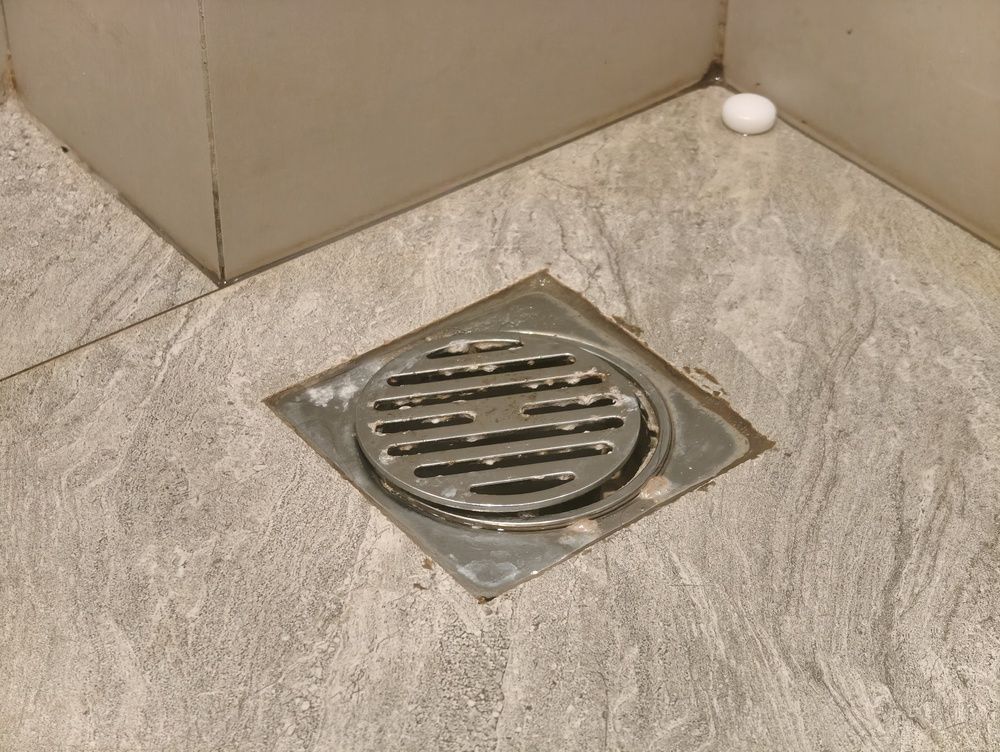
After drain cleaning, all fixtures across affected units drain at normal speed, toilets flush without backing up into lower-level apartments, and foul odors from sluggish waste lines disappear. You'll notice laundry facilities and common-area plumbing return to full function, and tenant complaints about gurgling drains or slow bathroom sinks stop recurring. The property experiences fewer emergency calls during high-usage morning and evening hours when multiple tenants use plumbing simultaneously.
Preventive drain maintenance on a scheduled basis keeps shared lines flowing freely and catches developing problems before they escalate. Buildings with multiple kitchen drains benefit from quarterly service to address grease accumulation, while properties with mature landscaping near sewer lines need annual root control to prevent infiltration. The frequency depends on building age, tenant density, and past blockage patterns.
What Property Owners Ask About Multi-Housing Drain Cleaning
Shared drain systems in apartment buildings create specific challenges that require understanding how waste flows through multi-unit infrastructure.
What causes drain backups to affect multiple apartments at once?
Blockages in shared vertical stacks or main horizontal lines prevent waste from flowing out of the building, forcing it back into the lowest available opening—typically ground-floor fixtures. Upper units continue draining into the blocked stack, compounding the backup in lower apartments until the main blockage is cleared.
How do you determine which building section needs drain cleaning?
Camera inspection through accessible cleanouts shows exactly where blockages exist within the shared system. In St. Cloud multi-housing properties, older cast iron stacks often corrode and develop interior ridges that catch debris, creating chronic slow-drain issues in specific building sections while others remain unaffected.
Why do kitchen drains in multi-unit buildings clog more frequently than bathrooms?
Kitchen waste includes grease, food particles, and soap that combine to coat pipe interiors and trap solid debris. When twenty or thirty units drain cooking waste into the same vertical stack, grease buildup occurs much faster than in single-family homes, particularly in sections of horizontal pipe where flow velocity decreases.
When should old drain lines be replaced instead of repeatedly cleaned?
Repeated blockages in the same location despite thorough cleaning indicate structural problems—collapsed pipes, severe corrosion, or root infiltration through multiple pipe joints. Camera footage showing separated sections, missing pipe segments, or extensive root networks means replacement will prove more cost-effective than ongoing emergency cleaning.
What tenant practices help reduce drain blockages in multi-housing properties?
Providing drain screens for kitchen sinks, prohibiting grease disposal down drains, and educating tenants about flushable versus non-flushable items significantly reduce blockage frequency. Maintenance staff can also schedule hot water flushing of kitchen waste lines to limit grease accumulation between professional cleanings.
5 Star Plumbing, Heating and Air manages drain cleaning for multi-housing properties with attention to minimizing tenant disruption and preventing recurring issues. Set up a property evaluation to review your drain system and develop a maintenance schedule.
