Plumbing Systems That Prevent Tenant Complaints
Multi-Housing Plumbing Services in St. Cloud for apartment complexes experiencing recurring leak calls and water pressure issues
Apartment buildings and multi-unit properties face plumbing challenges that single-family homes never encounter. 5 Star Plumbing, Heating and Air handles plumbing systems in multi-housing properties across St. Cloud, Sartell, and Sauk Rapids where one failing fixture can cascade into multiple tenant complaints within hours. When a building has twenty units sharing vertical supply lines and waste stacks, a single pressure drop or slow drain becomes a property-wide issue that demands immediate attention.
Multi-housing plumbing involves coordinating repairs across occupied units, managing tenant access schedules, and addressing infrastructure that serves multiple residents simultaneously. Common issues include pressure imbalances when several units use water at once, aging galvanized pipes that restrict flow building-wide, and shared waste lines where blockages affect multiple floors. Minnesota's freeze-thaw cycles add stress to exterior hose bibs and underground lines serving multiple buildings on the same property.
Schedule a property assessment to identify plumbing vulnerabilities before they escalate into emergency calls.
How Multi-Unit Plumbing Differs From Single-Family Work
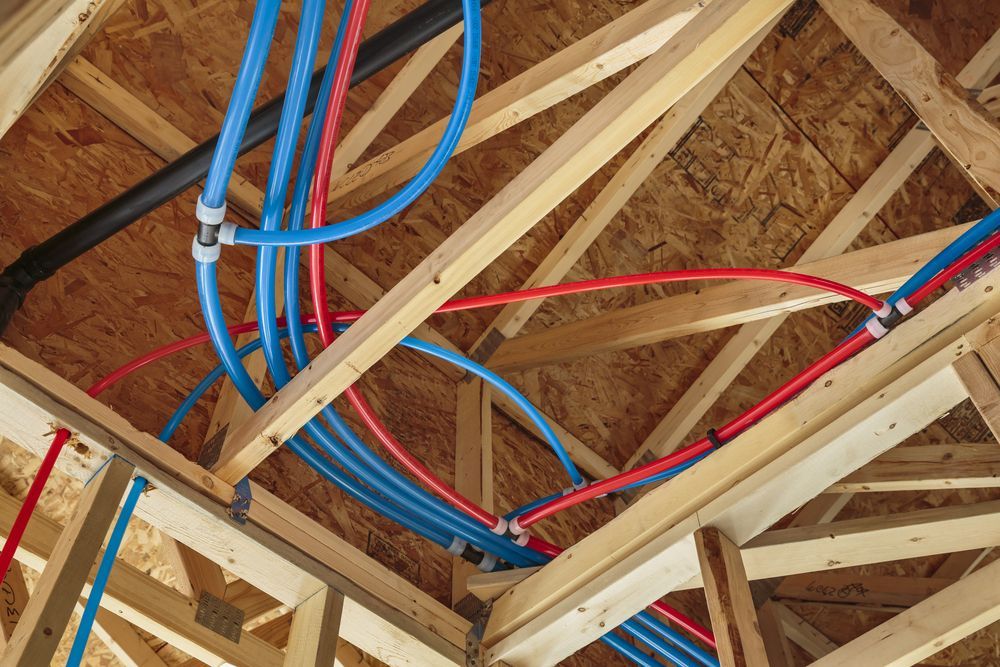
Multi-housing plumbing requires mapping shared systems to understand how one unit's problem affects neighbors. When a third-floor toilet leaks, the water doesn't just damage that unit—it travels through ceiling cavities and wall chases into apartments below. Diagnosing these issues means tracing supply lines and drain stacks that run vertically through the building, often concealed behind finishes in multiple units.
After repairs are completed, water pressure stabilizes across all affected units, leaks stop appearing in lower-level ceilings, and tenants no longer experience temperature fluctuations when neighbors use fixtures. You'll notice fewer maintenance calls related to the same plumbing zone, and tenant complaints shift from recurring issues to isolated incidents. Properly functioning systems mean laundry facilities operate without backups, and hot water reaches upper floors without excessive wait times.
The scope of work depends on whether the issue affects individual fixtures, entire unit branches, or building-wide infrastructure. Fixture-level repairs address toilets, faucets, and disposals within one apartment. Branch-line work involves the piping serving a single unit or bathroom group. Main-line repairs affect vertical stacks and horizontal mains that serve entire floors or buildings, requiring coordination across multiple occupied spaces and sometimes temporary water shutoffs.
Questions Property Managers Ask About Multi-Housing Plumbing
Multi-unit properties have specific plumbing concerns that differ from residential service calls, particularly around tenant coordination and system-wide impacts.
What happens when a plumbing repair requires entering multiple units?
Repairs to shared vertical stacks or branch lines often require accessing apartments above, below, or adjacent to the problem source. Work is scheduled to minimize tenant disruption, with advance notice provided and access coordinated through property management to maintain security protocols.
How do you identify which unit is causing a building-wide plumbing issue?
Diagnosis involves pressure testing individual unit branches, inspecting common waste stacks with cameras, and isolating sections of the system to pinpoint the failure point. In St. Cloud's older multi-housing buildings, cast iron stacks often corrode from the inside, creating blockages that affect multiple floors before the problem becomes visible.
Why do some apartments lose hot water pressure when others are using fixtures?
Undersized or corroded supply lines can't maintain adequate flow when demand increases across multiple units. Older buildings sometimes have 1/2-inch galvanized lines serving areas that now have higher fixture counts than originally designed, creating pressure drops during peak morning and evening usage.
When should multi-housing properties consider repiping instead of ongoing repairs?
Frequent leaks in different locations, recurring pressure complaints, or discolored water across multiple units indicate systemic pipe deterioration rather than isolated failures. Galvanized steel supply lines typically show these patterns after forty to fifty years, and cast iron waste stacks develop similar issues around the same age.
What plumbing issues require immediate tenant relocation?
Sewage backups into living spaces, active supply line failures flooding multiple units, or gas line leaks near plumbing penetrations require temporary relocation until repairs restore safe conditions. Most routine plumbing work allows tenants to remain in place with scheduled water shutoffs and advance communication.
5 Star Plumbing, Heating and Air works with property managers to address plumbing issues while minimizing tenant disruption and maintaining building operations. Request a consultation to discuss specific plumbing concerns affecting your multi-housing property.
