Climate Control Across Occupied Units
Multi-Housing HVAC Services in St. Cloud for apartment complexes with uneven heating and tenant comfort complaints
Minnesota winters demand reliable heating across every apartment unit, but multi-housing properties often struggle with temperature imbalances where upper floors overheat while ground-level units stay cold. These issues stem from undersized equipment, poor ductwork design, or boiler systems that can't maintain consistent output across multiple zones. 5 Star Plumbing, Heating and Air services HVAC systems in multi-unit buildings throughout St. Cloud, Sartell, and Sauk Rapids where central equipment serves dozens of apartments through shared distribution networks that must perform reliably regardless of outdoor temperatures.
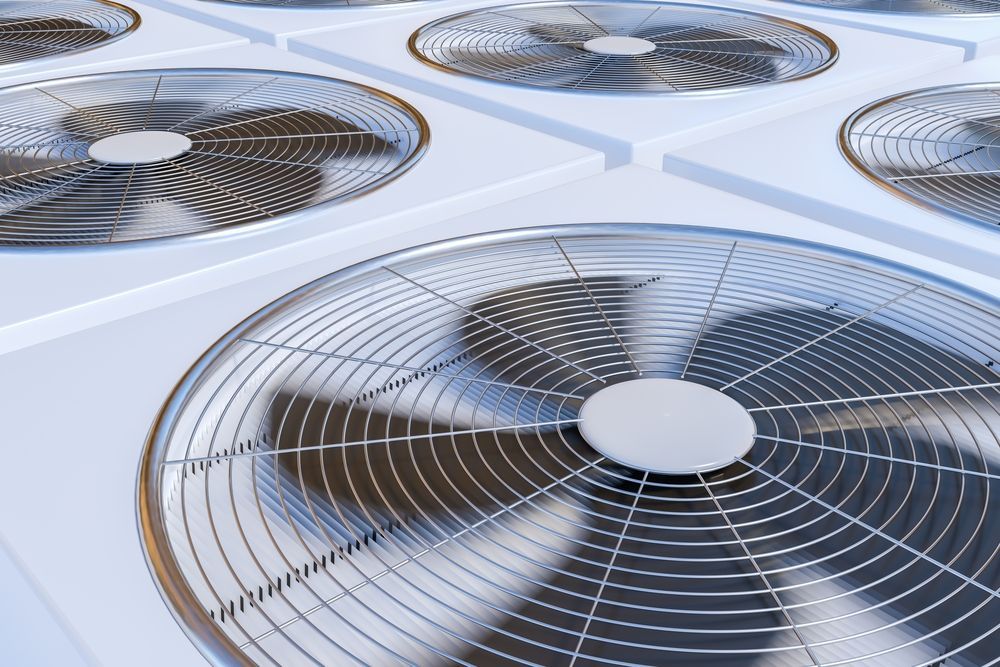
Multi-housing HVAC work includes maintaining rooftop units serving entire buildings, diagnosing airflow problems affecting specific unit clusters, and managing boiler or furnace systems that distribute heat through vertical chases. The complexity comes from balancing loads across zones with different solar exposure, occupancy patterns, and thermostat settings, while keeping shared equipment operating efficiently. A single compressor failure can leave twenty units without cooling, and a boiler malfunction affects heat delivery throughout an entire property.
Request an HVAC system evaluation to identify capacity issues and maintenance needs before seasonal demand peaks.
Why Multi-Unit HVAC Systems Require Specialized Service
Commercial-grade equipment serving residential occupants creates unique service requirements. Package rooftop units must cycle frequently to meet varying demands from individual apartments, and central boilers need precise combustion tuning to maintain efficiency while serving fluctuating loads. Ductwork running through unconditioned spaces loses efficiency if insulation deteriorates, and air handlers require regular filter changes to maintain adequate airflow across multiple zones simultaneously.
When HVAC systems are properly maintained and balanced, every apartment maintains consistent temperatures regardless of floor location, utility costs stabilize as equipment runs efficiently rather than fighting imbalances, and tenant complaints shift from chronic comfort issues to normal seasonal adjustments. You'll notice fewer emergency calls during temperature extremes because equipment operates within design parameters rather than maxing out capacity trying to compensate for distribution problems.
Preventive maintenance schedules for multi-housing properties differ from residential service intervals. Equipment running continuously to serve occupied units needs quarterly inspections rather than annual tune-ups, and filter replacements occur monthly instead of seasonally. The maintenance plan should address both central equipment and distribution components, including ductwork inspection, damper adjustment, and zone balancing to ensure every unit receives adequate conditioned air.
Common Questions About Multi-Housing HVAC Systems
Climate control in apartment buildings involves considerations beyond single-family HVAC service, particularly regarding shared systems and tenant coordination.
What causes some apartments to be significantly warmer or colder than others?
Airflow imbalances from improperly adjusted dampers, ductwork leaks in unconditioned spaces, or inadequate insulation between units allow heat transfer that counteracts HVAC output. Upper-floor apartments often overheat because warm air rises through wall and ceiling cavities, while basements and ground floors struggle to maintain temperature. Balancing the system involves adjusting dampers, sealing duct leaks, and sometimes rezoning to match actual load patterns.
How often should rooftop HVAC units serving multi-housing properties receive maintenance?
Quarterly inspections catch developing issues before they cause system failures, with additional attention before heating and cooling seasons begin. St. Cloud's temperature extremes stress commercial equipment, and units serving occupied apartments can't afford mid-winter breakdowns that leave tenants without heat for extended periods during service waits.
Why do multi-housing heating costs increase even when outdoor temperatures stay consistent?
Deteriorating equipment efficiency, distribution losses from damaged ductwork, and thermostat conflicts where some units call for maximum heat while others require minimal output all drive up operating costs. Buildings with individual thermostats in each unit experience higher energy use than those with centralized controls and proper zone balancing.
When should aging HVAC equipment be replaced rather than continuously repaired?
Frequent breakdowns, declining efficiency despite maintenance, and difficulty sourcing replacement parts for discontinued models all indicate equipment reaching end of service life. Package units and boilers typically last fifteen to twenty years with proper maintenance, but units in continuous operation serving multi-housing properties often reach replacement age at the younger end of that range.
What HVAC upgrades provide the most noticeable improvement in multi-unit buildings?
Programmable thermostats in individual units, improved insulation in distribution pathways, and properly sized equipment matched to actual loads rather than original estimates all significantly improve comfort and reduce operating costs. Variable-speed equipment also handles the fluctuating demands of multi-unit buildings more efficiently than single-stage systems.
Reliable climate control directly impacts tenant retention and property operating costs in multi-housing buildings. 5 Star Plumbing, Heating and Air provides comprehensive HVAC service for apartment complexes and multi-unit properties—schedule a system review to address equipment concerns and optimize performance.