Climate Systems Designed for Multiple Units
Multi-Housing HVAC Services in Sauk Rapids for apartment buildings, condominiums, and multi-family properties requiring reliable heating and cooling
Minnesota's temperature extremes place continuous demands on multi-housing HVAC systems where equipment failures affect multiple tenants simultaneously and create urgent response requirements that single-family service never faces. Winter heating outages become habitability emergencies within hours as indoor temperatures drop, summer cooling failures generate tenant complaints and potential lease disputes, and shared mechanical systems require diagnostic approaches that account for varied usage patterns across different units. Multi-housing HVAC work in Sauk Rapids involves maintaining boiler systems serving entire buildings, servicing individual package units for each apartment, and managing the ventilation requirements that code mandates for common areas and occupied spaces.
Multi-housing properties operate with diverse system configurations depending on building age and design—some use central boilers with hydronic heat distribution, others rely on rooftop package units serving multiple zones, and newer construction often incorporates individual heat pumps that provide both heating and cooling per unit. Maintenance scheduling must balance tenant comfort with access constraints, and emergency response protocols need to prioritize failures affecting multiple units over single-apartment issues when service demand exceeds available capacity during seasonal peaks.
Arrange a property assessment to review system conditions across all units and establish maintenance priorities that prevent winter emergencies.
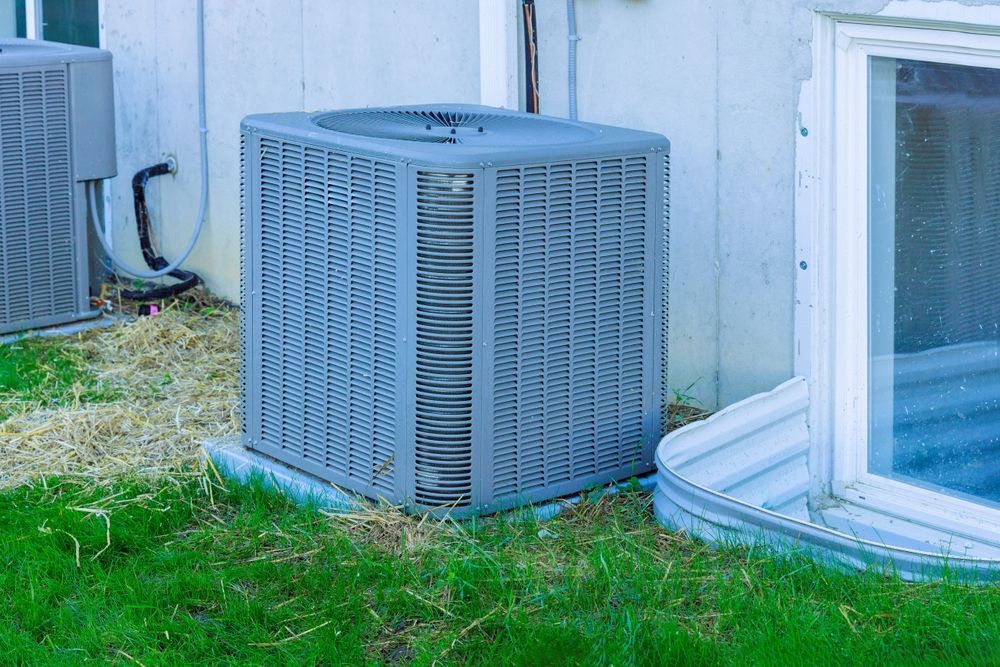
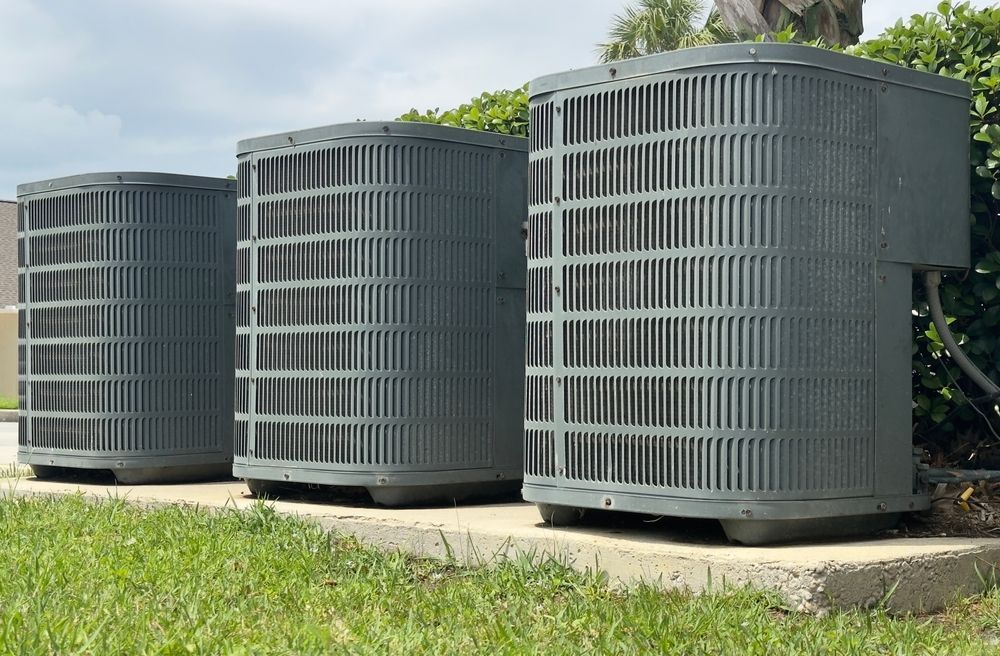
What Changes After Multi-Housing HVAC Systems Are Serviced
Your property's heating and cooling equipment operates continuously from September through May in Sauk Rapids, cycling constantly to maintain comfort across units with different solar exposure, occupancy patterns, and thermostat preferences. 5 Star Plumbing, Heating and Air performs filter replacements on schedules that match occupancy density, inspects condensate pumps that prevent water damage in buildings where gravity drainage isn't feasible, and tests safety controls that shut down equipment before dangerous conditions develop.
After comprehensive maintenance, tenant comfort complaints decrease noticeably as temperature consistency improves across all units, utility costs drop as systems operate at design efficiency rather than struggling against dirty filters and failing components, and emergency service calls decline during temperature extremes when most equipment failures occur in unmaintained systems. Mechanical rooms stay cleaner as properly functioning systems don't leak or produce the dust accumulation that signals filtration problems.
Multi-housing properties benefit from service agreements that include scheduled maintenance before heating and cooling seasons, priority response when failures affect habitability, and tenant communication protocols that keep residents informed during extended repairs. Larger properties may require multiple service visits to complete maintenance across all units without disrupting occupied apartments, and documentation requirements often include maintenance logs that satisfy property management companies and lending institutions during refinancing or sale transactions.
Common Questions About This Service
Property managers and building owners in Sauk Rapids face HVAC decisions that affect tenant satisfaction, operational costs, and regulatory compliance across multiple dwelling units.
- What HVAC maintenance schedule works for multi-housing properties? Most properties require spring and fall service visits to prepare systems for seasonal demands, but buildings with central boilers need monthly inspections during heating season, and properties using individual package units benefit from quarterly filter changes in high-occupancy units.
- How do you prioritize HVAC repairs when multiple units need service? Life safety issues take precedence, followed by failures affecting multiple units, then individual apartment problems, but response prioritization also considers outdoor temperatures since heating failures during subzero weather become emergencies regardless of how many units are affected.
- Why do some apartments stay warmer or cooler than others? Imbalanced air distribution, thermostat location near heat sources or drafts, and insulation differences between units all contribute to temperature variation, but the root cause often involves improper initial system balancing that preventive maintenance doesn't correct without deliberate adjustment.
- When does repairing aging multi-housing HVAC equipment stop making sense? Replacement becomes cost-effective when a central boiler requires heat exchanger replacement exceeding half the cost of new equipment, when individual package units use refrigerant no longer manufactured, or when frequent repairs add enough emergency service charges that new equipment pays for itself within three years.
- What HVAC documentation do multi-housing properties need? Maintenance records for insurance and lending compliance, refrigerant handling logs that EPA regulations require, carbon monoxide detector test results that Minnesota rental codes mandate, and filter change schedules that demonstrate due diligence in maintaining habitable conditions all form necessary property documentation.
5 Star Plumbing, Heating and Air understands the complexity of maintaining climate control across multiple dwelling units where tenant comfort and property values depend on reliable equipment performance. Schedule a property evaluation to develop a maintenance plan that reduces emergency calls and extends equipment lifespan across your entire building.
